

This guide was originally written several years ago and has been updated to reflect current information for families starting homeschooling today.
There is so much information available in the homeschool world today, and in many ways, that’s a wonderful thing.
Families now have access to more resources, curriculum options, and advice than ever before.
But sometimes that abundance can feel overwhelming.
When you first begin exploring homeschooling, it can seem like you need everything before you even start. The big box curriculum. The beautiful homeschool room. The perfectly organised shelves of books and learning materials.
And sometimes it can even feel like you need an expert to show you how to homeschool “properly”.
But here’s something I want you to hear clearly.
You do not need all of that to begin homeschooling.
You don’t need expensive programs. You don’t need a Pinterest-perfect homeschool space. You don’t need to have everything figured out before you start.
What you need is the willingness to learn alongside your children and the confidence to begin.
So before you panic-buy curriculum or sign up for expensive coaching programs, take a breath.
Because the truth is this: You, exactly as you are right now, are capable of educating your children.
Say it with me: I am all that my kids need.
That doesn’t mean homeschooling will always be easy.
You will make mistakes. You might cry. You might lose patience. And yes, you might raise your voice sometimes, too.
That’s not failure.
That’s the process of adjusting to a completely new rhythm of family life.
Every homeschool family goes through this transition. And over time, you will find your rhythm.
This guide will walk you through the first steps of starting homeschooling calmly, without the overwhelm.
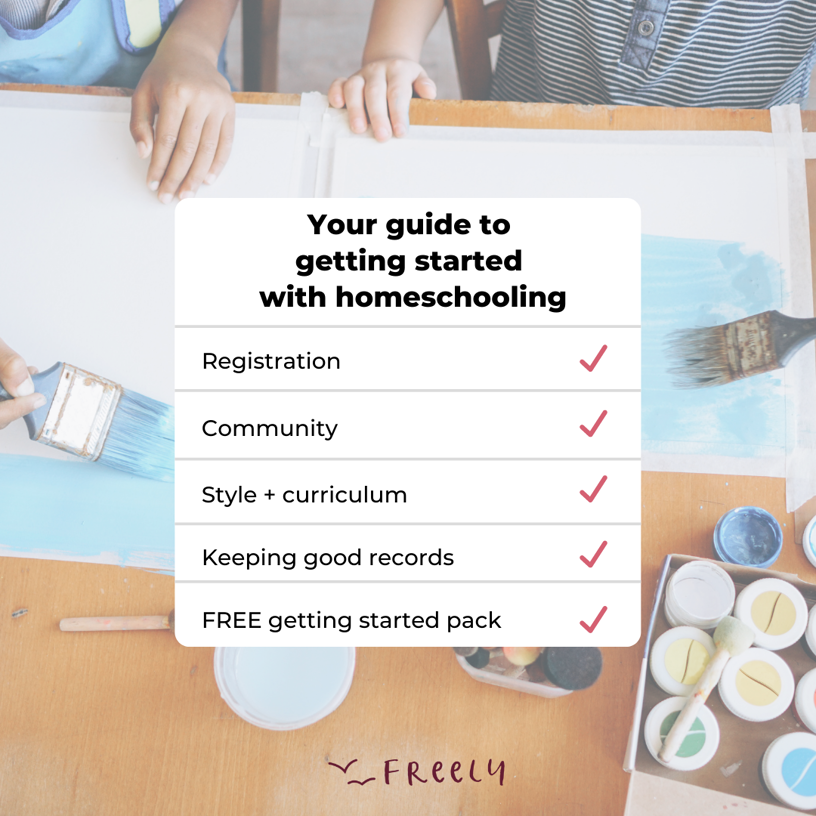
Jump to…
- Registration
- Find your Community
- Learning styles and choosing curriculum
- Start homeschooling
- Keeping good records
Why I’m Sharing This
You might be wondering how I can be so sure about all of this.
The truth is, I didn’t begin homeschooling with years of preparation or careful planning.
My introduction to homeschooling happened suddenly.
In the span of a single day, I walked away from a job I loved and pulled my son from school.
Homeschooling wasn’t something we had researched or planned for. It felt like our last option.
I was grieving the loss of my job. I was angry that the school system had let my son down. And I was heartbroken seeing how deeply his experiences had affected him.
But once he was home, something changed. I saw relief in him almost immediately.
Over time he began to heal, and we started to reconnect in ways I never expected.
Homeschooling created a bond between us that is difficult to describe unless you’ve experienced it. It’s a unique kind of partnership — learning together, navigating challenges together, and supporting one another through it all.
Somewhere along the way, the thing I never planned to do became something I deeply believe in.
In fact, my only regret is that we didn’t start sooner.
Registration
The first step in homeschooling is often the most straightforward, but also the most confusing. You need to understand the registration requirements for your area.
Homeschool regulations vary depending on where you live, so it’s important to check the official guidelines for your state or country.
A helpful place to start is often local homeschool support groups. Searching Facebook for something like “Homeschool Support [Your State]” can connect you with families who have already gone through the process.
These groups can often help you understand:
- registration requirements
- application timelines
- examples of education plans
However, always confirm the information through your official education authority website, as requirements can change.
Tips for Managing Registration
Once you begin the registration process, a few simple systems can make things easier.
Create a binder labelled “Homeschool Registration” and keep all official paperwork together in one place.
It can also be helpful to create a dedicated folder in your email called “Homeschool Registration” so you can easily find correspondence later.
In many places, registration approvals can take time. As long as your application has been received, try not to stress while you wait.
The rise in homeschooling means departments are often processing many applications.
Find your community
Homeschooling doesn’t mean doing everything alone. In fact, community can be one of the most important parts of a sustainable homeschool experience.
When you choose an alternative education path, you sometimes lose the automatic support network that schools provide. Finding other families who understand the journey can make a huge difference.
But community can look different for every family.
Some people enjoy large casual meetups. Others prefer smaller, consistent groups.
It can take time to find the right fit, so be patient with the process.
Ideas for Building Community
Some places to start include:
- local library events
- homeschool co-ops
- volunteer opportunities
- art classes
- sports groups
- hobby meetups (like Pokémon or D&D groups)
- music lessons
- pottery classes
- Science classes at local universities
These activities allow children to connect naturally through shared interests.
For some families, paid co-ops provide a helpful balance between independence and community learning.
Understanding Learning Styles and Choosing Curriculum
One of the most exciting parts of homeschooling is realising that you have choices.
There are countless curriculum options available, all promising amazing results.
But the truth is: The best curriculum is the one that fits your child.
Every learner has different interests, strengths, and ways they engage with information.
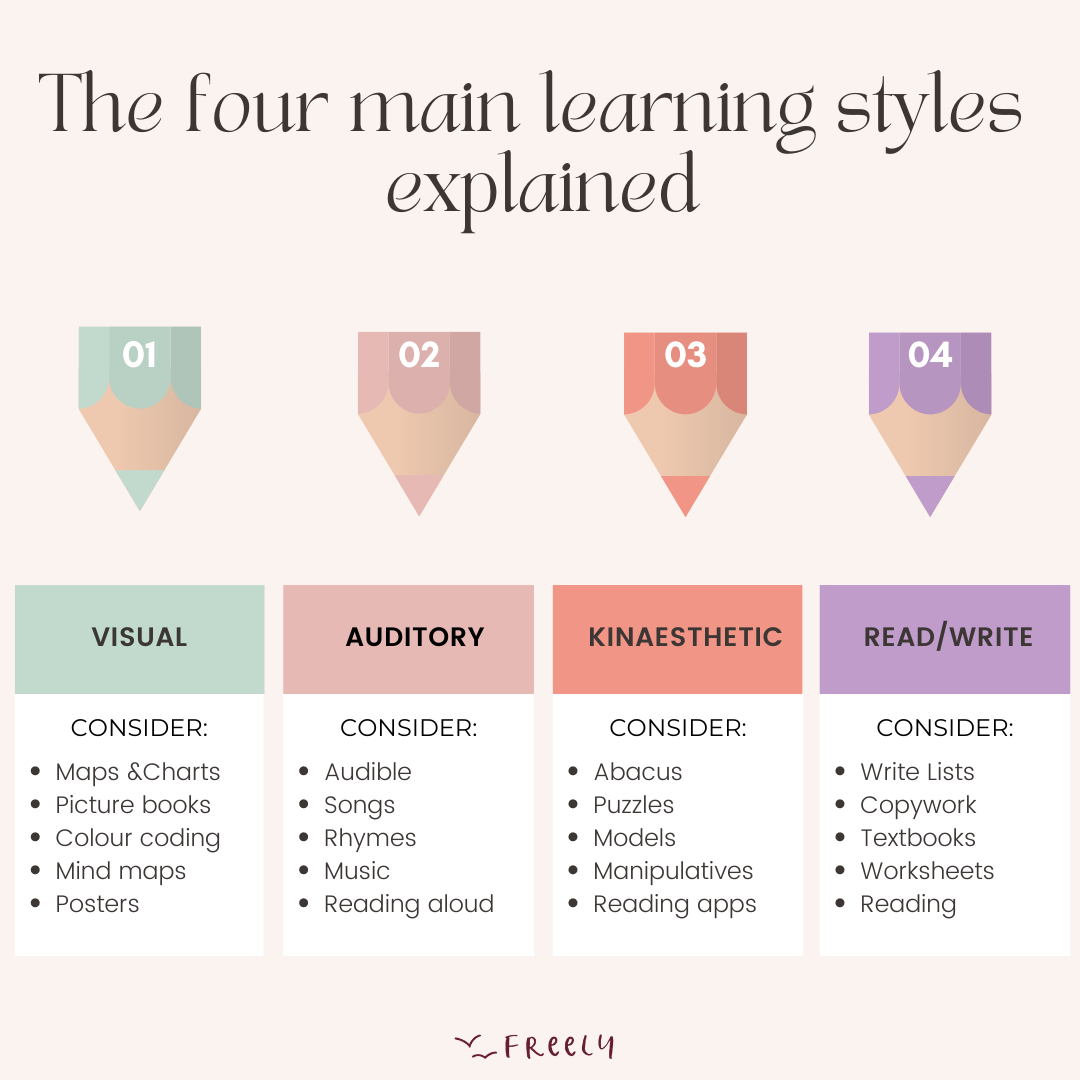
Many parents find it helpful to consider how their child prefers to learn. Some children enjoy visual learning, others learn best through listening, reading, writing, or hands-on activities.
Often children use a mix of approaches depending on the subject.
Understanding these preferences can help you choose curriculum that feels enjoyable rather than frustrating.
Tips for Choosing Curriculum
When choosing curriculum, keep a few things in mind.
Children often work at different levels across subjects. A child might be advanced in reading but need extra support in mathematics.
This is one reason large “grade-level” curriculum packages don’t always work well.
Start simple. Begin with a subject your child enjoys and build your routine gradually.
Whenever possible, try sample lessons before committing to a full program. Many curriculum providers offer previews or trial lessons.
And remember — curriculum is a tool. You can skip lessons, supplement with other materials, or adapt activities to suit your child.
Starting Homeschooling
When I first started homeschooling, I had some amusing ideas about what it might look like.
I wondered if we should wear uniforms.
I thought about packing lunchboxes.
At one point, I even considered buying a bell to signal the start of the school day.
Looking back now, those ideas make me laugh. Homeschooling doesn’t need to look like school at home.
In fact, one of the biggest advantages of homeschooling is the freedom to create a learning environment that works for your family.
Simple Homeschool Setup Ideas
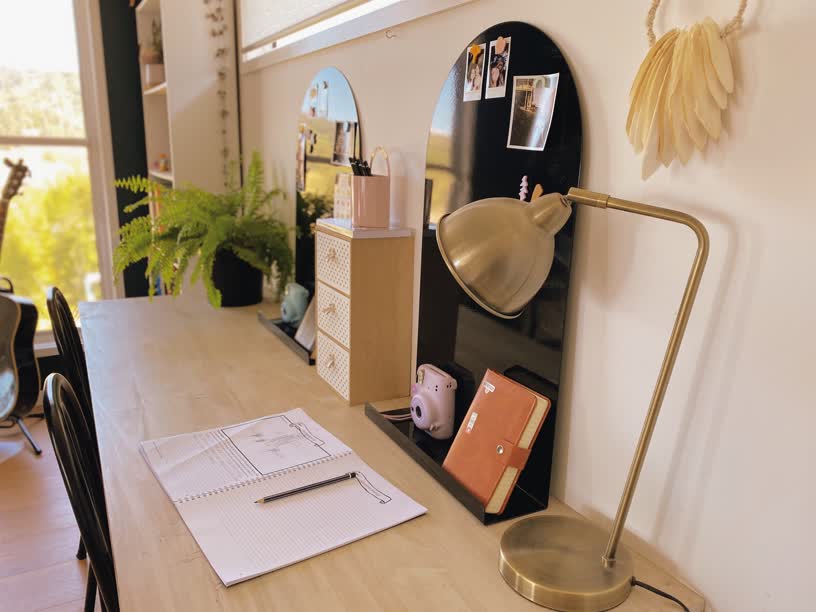
You don’t need a dedicated homeschool room to begin. Many families start at the kitchen table.
A few simple ideas can make your space more comfortable:
- modular tables or flexible workspaces
- floor cushions or beanbags
- wipeable surfaces for creative activities
- quiet areas without television noise
Snacks also help more than you might expect. Fed kids are usually much happier learners.
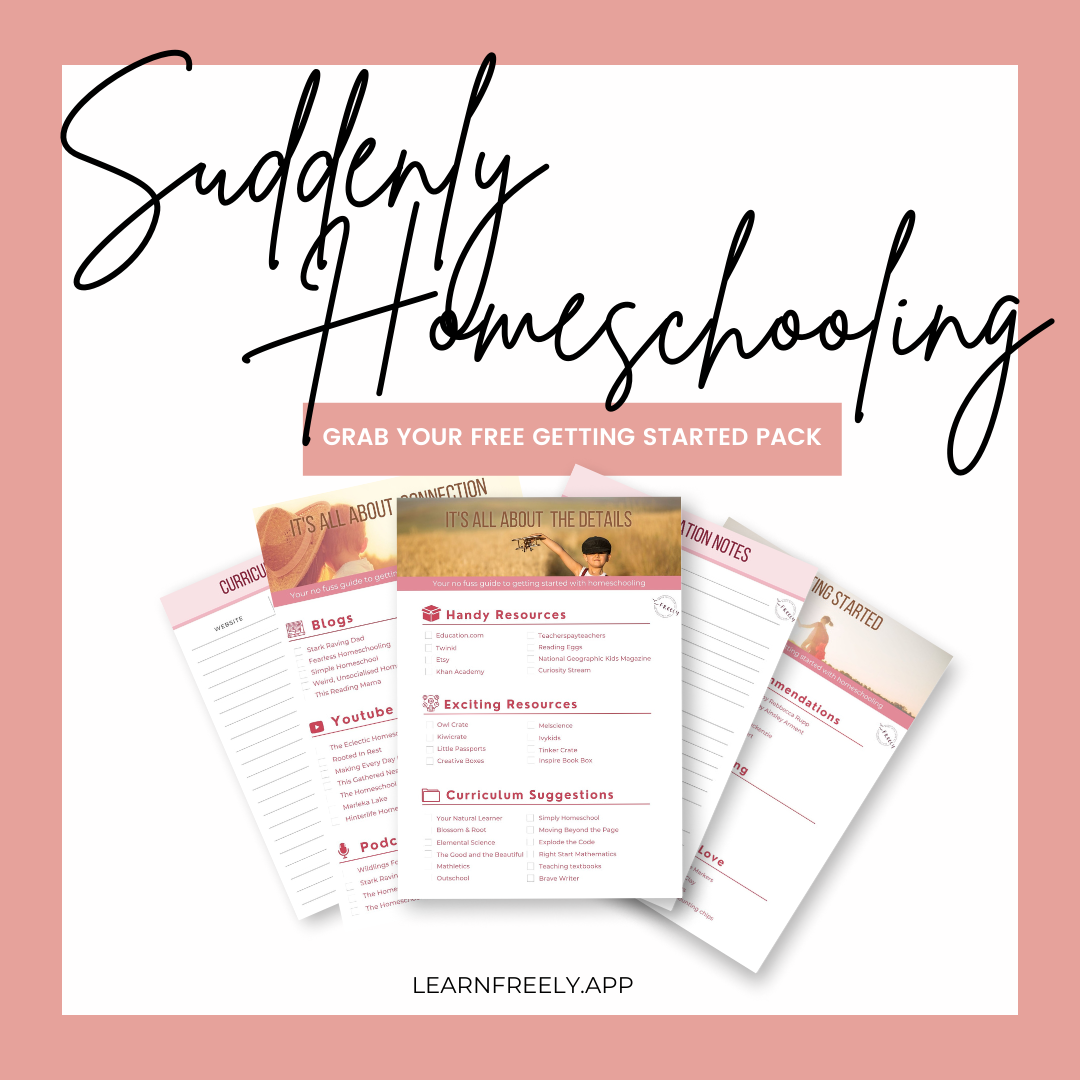
Grab my FREE home educator starter pack!I have compiled EVERY resource and ALL my favourite things that we use in our homeschool. This will help you on your way to creating the homeschool that serves your family best.
Keeping good records
One of the things that surprised me most when we started homeschooling was how quickly the year passed.
Before I knew it, our first year was finished and our report was due. I remember scrambling to find work samples and re-reading the reporting requirements over and over, trying to piece everything together.
That experience taught me something important: the key to easy reporting is simple organisation throughout the year.
Rather than trying to reconstruct everything at the end, it helps to keep track of learning as you go. Encourage your children to date their work, and store important samples in a folder so they’re easy to access later.
Many homeschool families now use simple digital homeschool planners to organise lessons, capture work samples, and keep records ready for reporting.
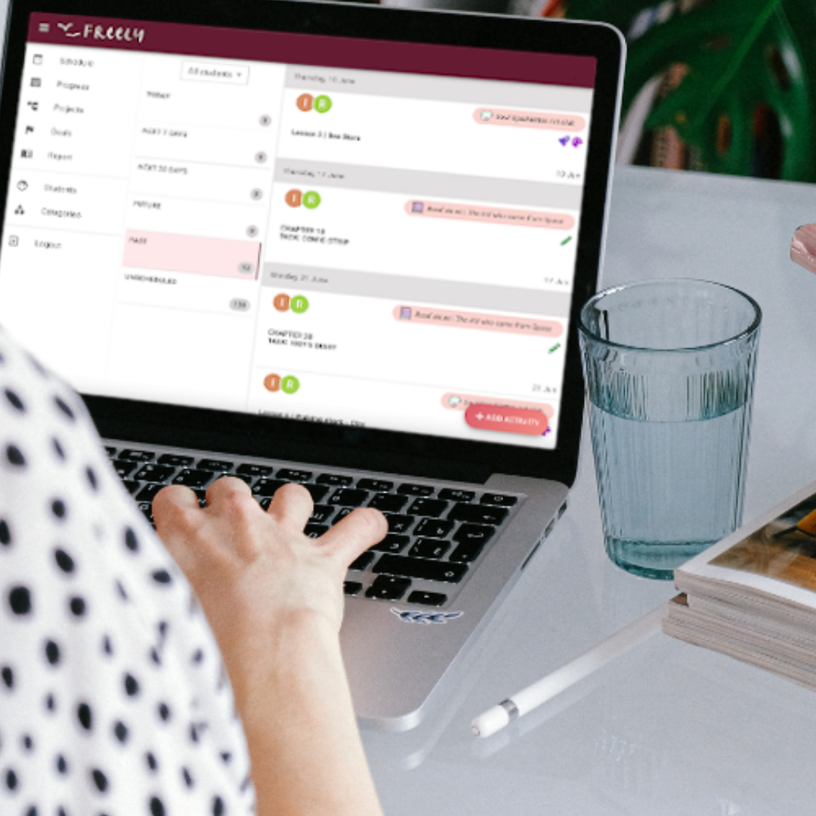
In our home, that challenge was actually one of the things that eventually led me to create Freely homeschool planner. Freely is a digital system designed to help families organise homeschool lessons, store work samples, and capture observation notes throughout the year.
Instead of keeping notebooks, folders, and photos scattered across different places, everything can be kept together in one organised space.
Because my reporting is completed online and physical copies aren’t required, I can simply generate a report through Freely when it’s time to submit. It pulls together the records and observations I’ve already collected during the year, making the process much simpler.
Keeping records as you go can make a huge difference when reporting time arrives. If you’re curious about how Freely came to be, you can read more in our Founder Story: Why We Built Freely.
A Final Note About Progress
Although registration requirements vary, most education authorities are looking for one thing above all else: progress.
And progress can look different for every child.
It might be academic improvement. It might be growing confidence.
It might be a child developing curiosity about a subject they once avoided.
It might even be emotional growth — learning resilience, patience, or overcoming fears.
That’s why observation notes can be so valuable when documenting homeschool learning. They help tell the story behind the work.
If you’ve made it this far, well done.
Starting homeschooling can feel like a lot to process at first.
But hopefully by now you have a clearer picture of where to begin.
Remember:
You do not need to have everything perfect before you start.
Homeschooling is something families grow into over time.
And often, the simplest homeschool setups turn out to be the most joyful.
Free Homeschool Starter Pack
If you’d like help getting started, you can download my FREE Home Educator Starter Pack.
It includes many of my favourite resources, tools, and ideas that have helped shape our homeschool over the years.
I hope it helps you create a homeschool environment that truly works for your family.